Tag Archives: rv bits

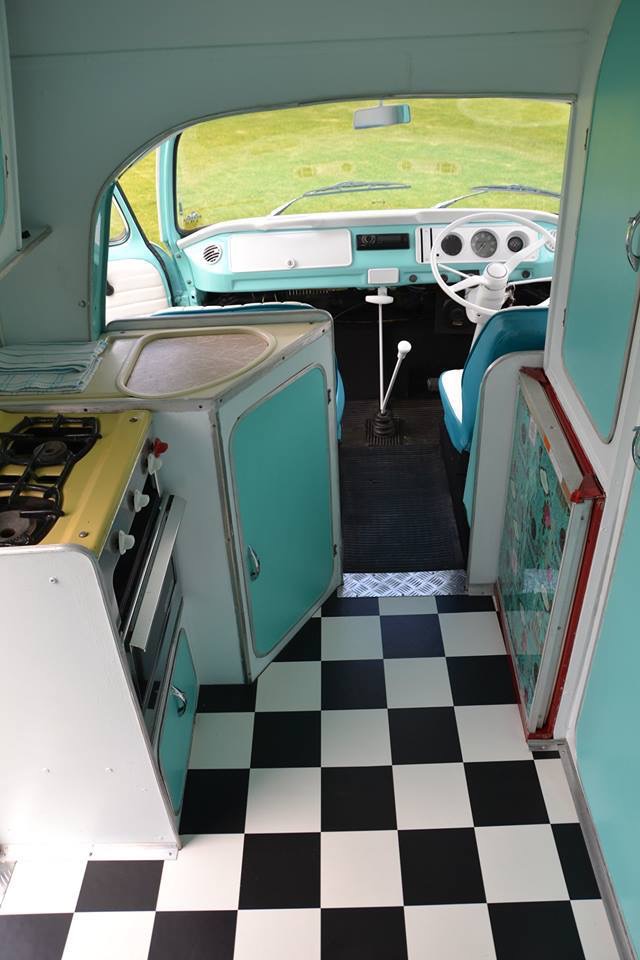
Classic VW Motorhome

Love this .. It must be one of the early ones!   – From FacebookVwVwVw

Mike’s Fridge upgrade – The Detail

Mike and Wendy are the proud owners of a French Rapido A class Motorhome which they bought nearly a year ago.

He discovered after he received it that his fridge wasn’t doing what he wanted it to and being the clever person that he is, and a Plumber and Gasfitter with more than 40 years experience,  he decided to do something about it.

Some of you will remember his earlier post but this greatly expands on what he did earlier.

In Mike’s words and pictures .. Go Mike:

rap1

RAPIDO OTT RV FRIDGE UPGRADE

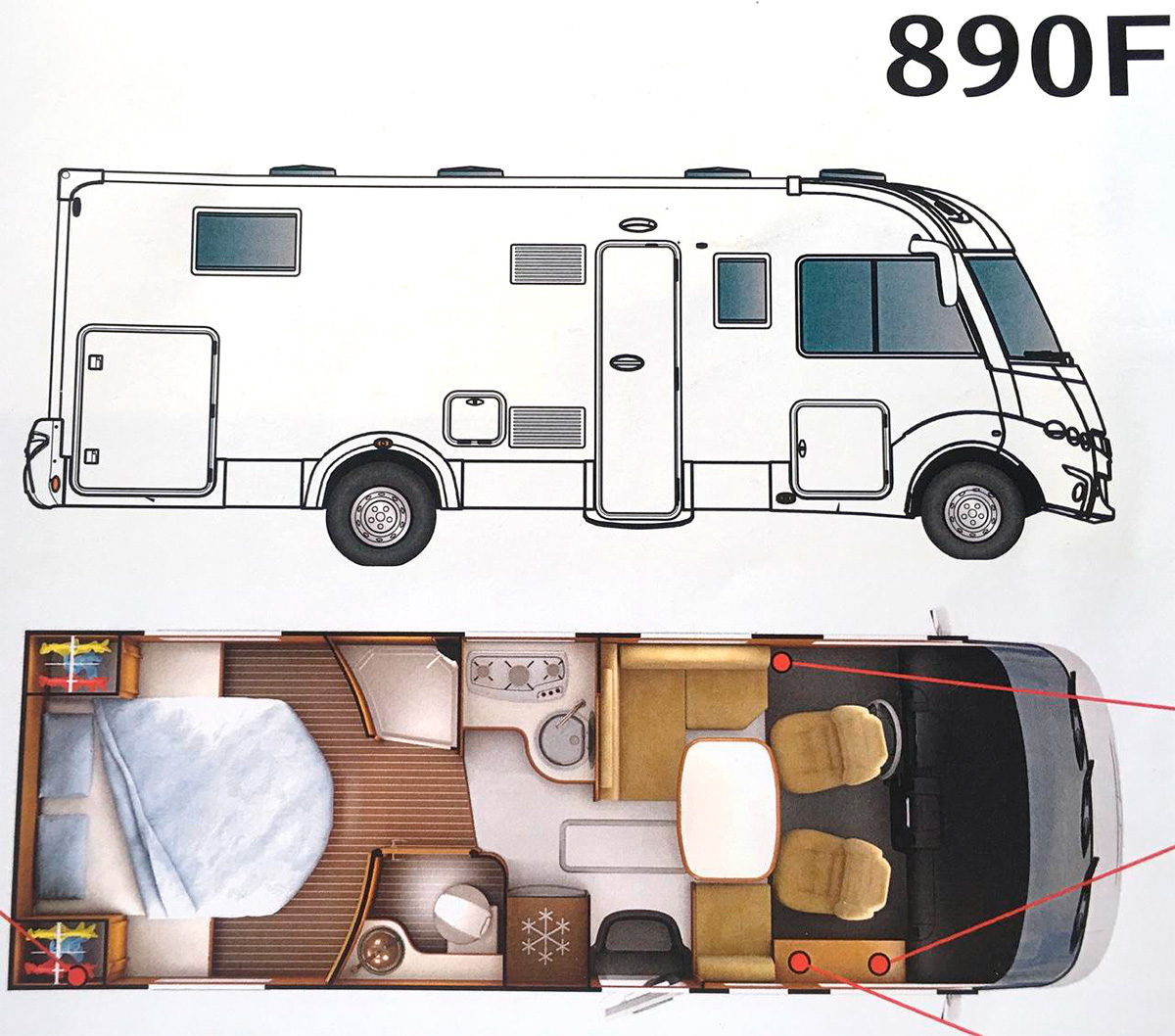
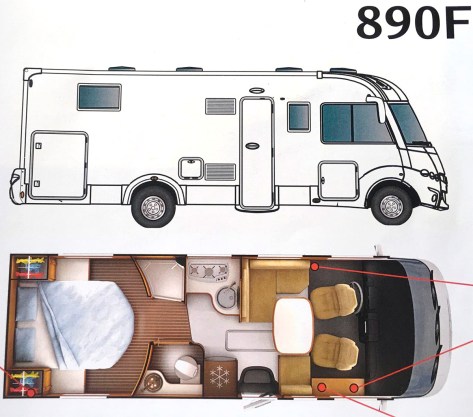
French Import: Rapido
Model: 890F
Year of manufacture: 2014
Length: 7.39m
Width: 2.35m
Height: 2.82m
Fridge make: Dometic
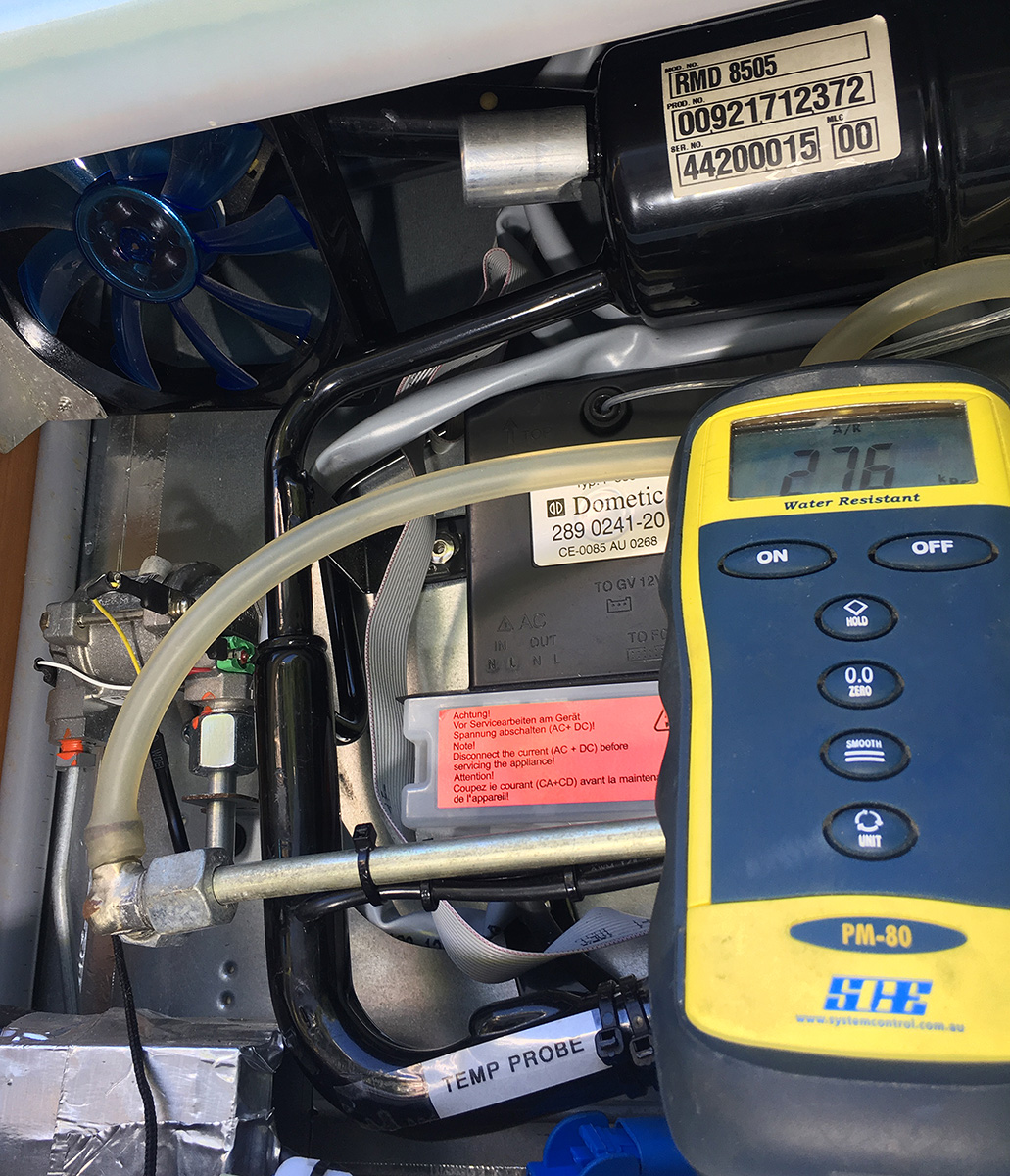
Fridge model: RMD 8505
Fridge climate classification: SN
Type of Gas: LPG
rap2My name is Michael Brick. We were luckily enough to purchase a Rapido A class motorhome which we really love.

Over the past year there have been a few upgrades mainly to accommodate our needs. Firstly I installed a new LPG regulator which was part of certification requirements and a pipe system upgrade to accommodate the two gas bayonets at the rear of the motorhome, then the outside shower and finally the OTT FRIDGE UPGRADE.

The original fridge installation carried out by Rapido was to good manufactures specifications, however the fridge’s cooling ability was not meeting my specifications.

At this stage I would like to point out I am not a fridge technician, however I have 45 years experience as a Certifying Plumber and Gasfitter.

THE OTT FRIDGE:

Unfortunately the data plate revealed an: “SN climate classification” SN = Subnormal, suitable for use in ambient temperatures of +10°C to +32°C suited for European countries.

Ouch!!! I was told, better to have had the ST climate classification.
ST = Subtropical, suitable for use in ambient temperatures of +16°C to +38°C suitable for NZ climatic conditions.

To find a solution I wrote to Dometic NZ with the following questions and was pretty chuffed to get a very comprehensive reply.

Q. What are the differences between the “SN” and the “ST” climate classification fridges.

A. “T” rated fridges have something called VIP vacuum insulation panels, high value insulation, better insulation in the door et.

If you purchased a “T rated” fridge and put it in the existing cavity it would not go any better. The main issue is the venting. If you take the top vent out and can see the condenser fins it will not work. The bottom of the top vent should be above the top of the fins and a deflector plate from the top/back of the fridge to the inside/top of the vent. While this may seem a subtle difference it makes all the difference.

MY INSTALLATION.

THE COOLING TOWER

Proper baffling of the upper portion of the cabinet is a must to prevent eddies of air from hindering the hot air from escaping.

A lack of airflow across the condenser fins may require additional fans to help circulate and exhaust the hot air from the cooling compartment.

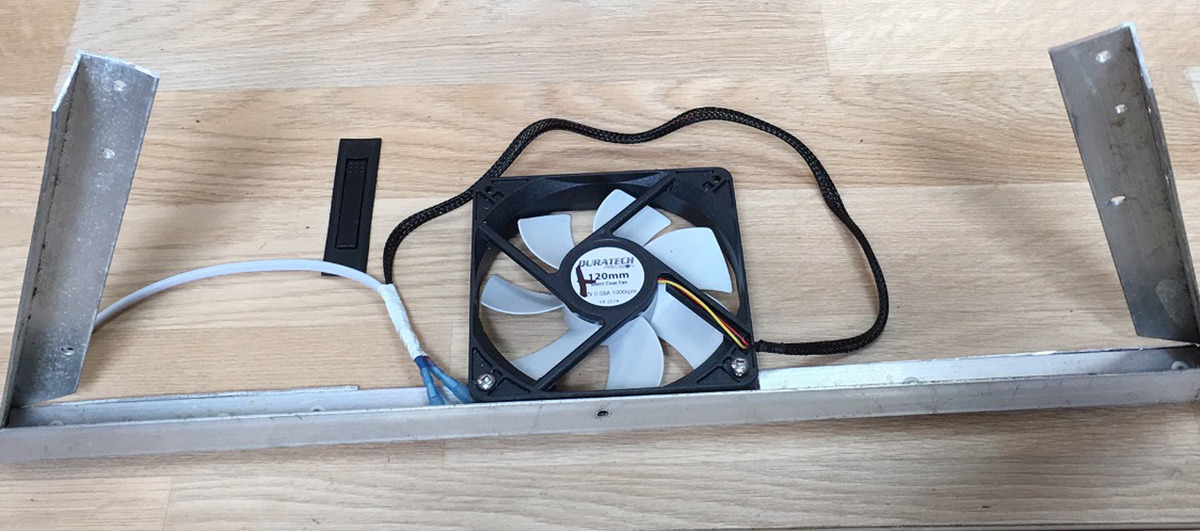
1www1). FAN BRACKET:

Through the LS300 vent aperture I lowered a 25x25mm aluminum angled bracket to 40mm below the condenser fins, then fixed to the side walls. The fan was then lowered and fitted to the alloy bracket (long screw driver needed).
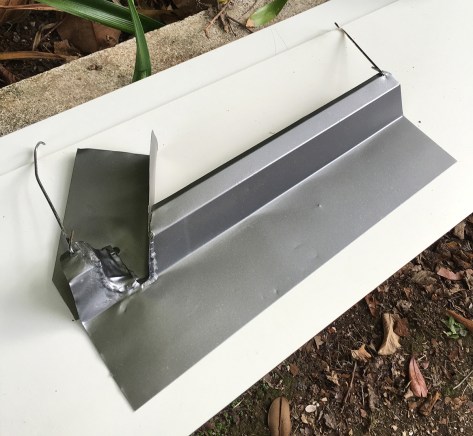
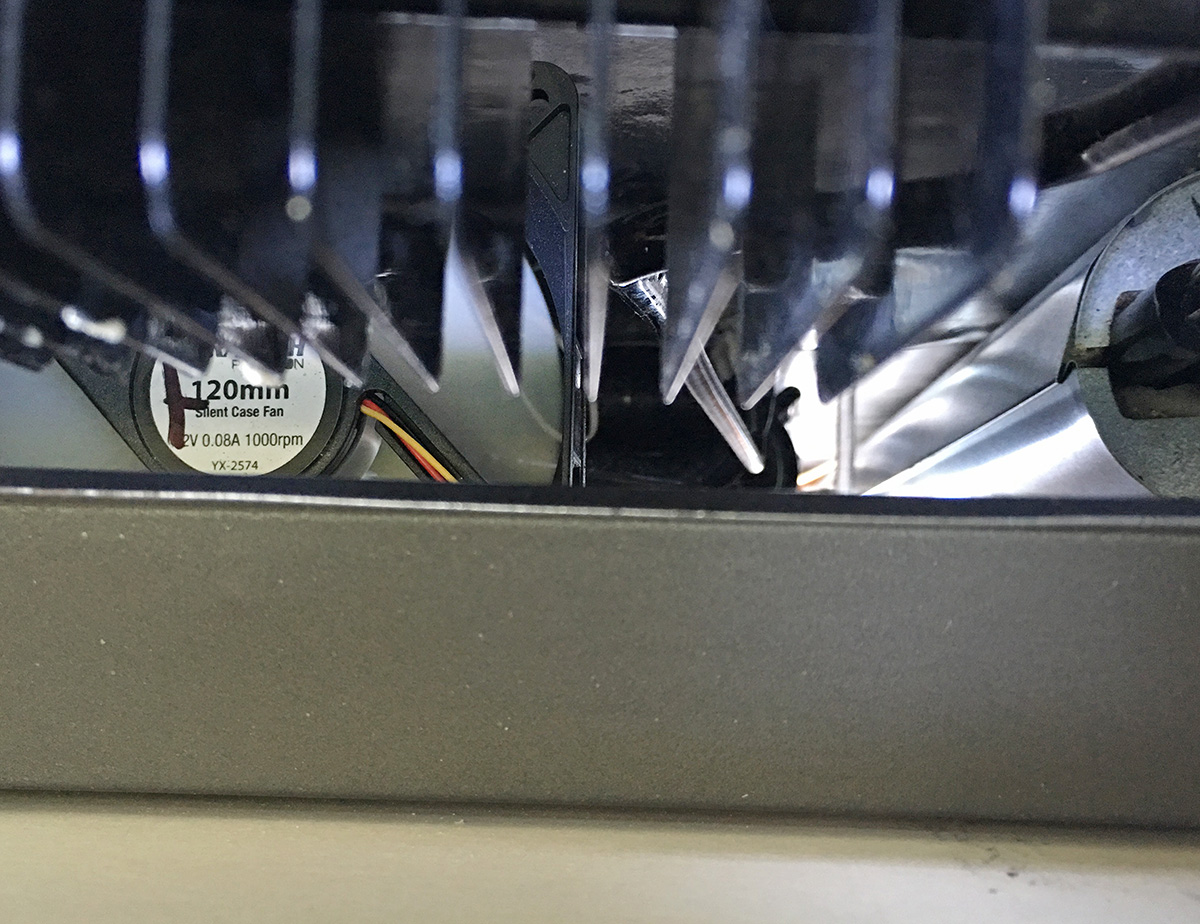
2www2). THE BAFFLE: This pre made baffle was lowered through the LS300 vent aperture. The long flat portion slides between the alloy bracket and the outside wall of the motorhome. The top of the baffle is set 6mm below the bottom of the condenser fins.
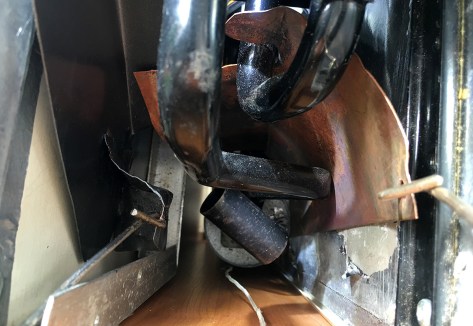
3www3). THE FLUE: Spills temperatures of over 200 degrees into the cooling tower next to the cooling fins of the condenser. To stop this heat spilling around the fins I created a division in the baffle then fitted a curved shield around the chimney/flue pipe to guide hot gases up towards the vent aperture.

4wwwThis photo shows the position of the baffle. The top edge is  placed 10mm below the cooling fins. The cold air travelling up the tower is diverted onto the cooling fins.
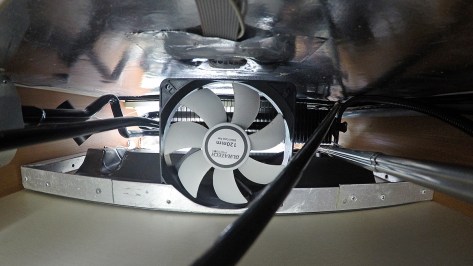
5wwwThis photo shows how the bottom of the baffle interlocks with the fan bracket. The baffle can be raised or lowered to, to set the correct distance from the condenser fins.

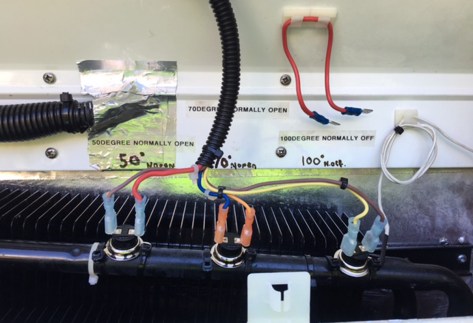
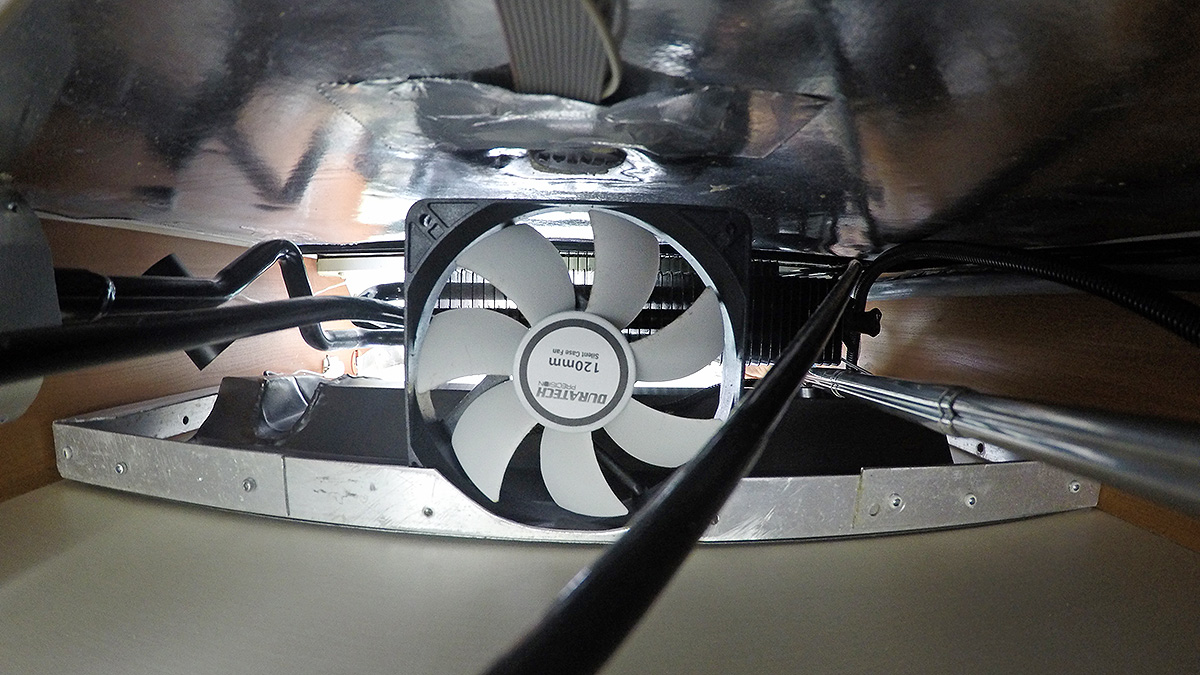
4). BOTTOM FAN:  this is placed at the bottom of the cooling tower. Controlled by a 70 degree temperature thermostat (normally open) and a switch wired into the fans power supply so that I have control over when the fan is on.
Duratech 120mm: YX-2584
Air flow: 64.3 (CFM)
Current: 0.22A
Fan Speed: 1500 rpm
Noise: 25dBA
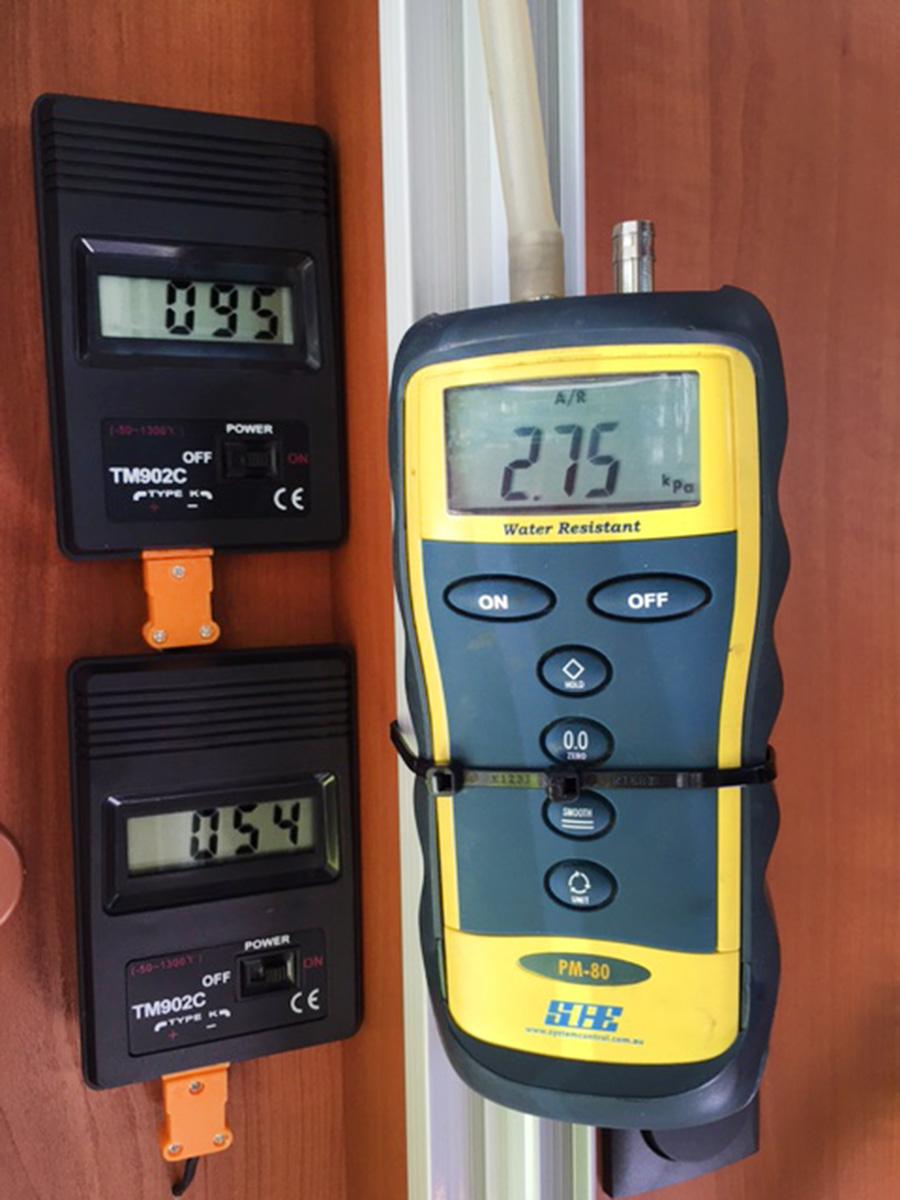
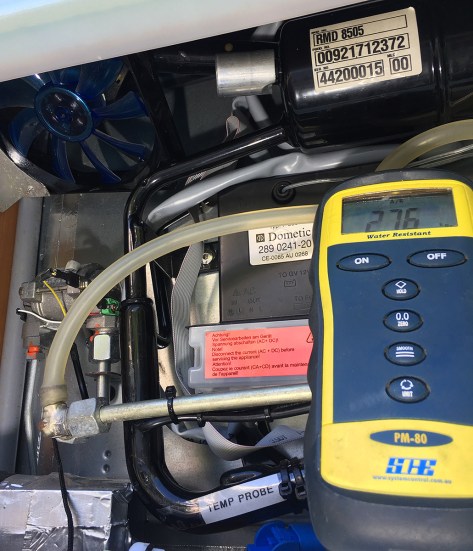
Burner Pressure: 2.75kPa
6www5). TOP FAN: This is placed under the cooling fins of the condenser. Controlled by a 50degree temperature thermostat (normally open) and a switch wired into the fans power supply so that I have control over when the fan is on.
Duratech 120mm: YX-2584
Air flow: 64.3 (CFM)
Current: 0.22A
Fan Speed: 1500 rpm
Noise: 25dBA
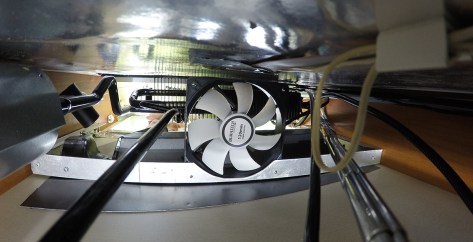
7www6). FRIDGE FAN: This is a  double fan assembly fixed to the cooling fins by an alligator clip.

These fans are controlled by a 100 degree temperature thermostat (normally shut) and a switch wired into the fans power supply so that I have control over when the fan is on. Wires for the fans run through the hole provided for the thermistor cable. To gain access to this hole, the cooling fins have to be removed.
Air flow: 14.7 (CFM)
Current: 0.18

7). FRIDGE FAN: This is a single fan fixed to the bottom of the 2nd shelf right hand side of the fridge. Testing in many spots found this to be the best position.
Controlled by a 100 degree temperature thermostat (normally shut) and a switch wired into the fans power supply so that I have control over when the fan is on.
Duratech 90mm: YX-2572
Air flow: 31.32 (CFM)
Current: 0.13A
Fan Speed: 1500 rpm
Noise level: 20dBA

8www8). TEMPERATURE THERMOSTATS:

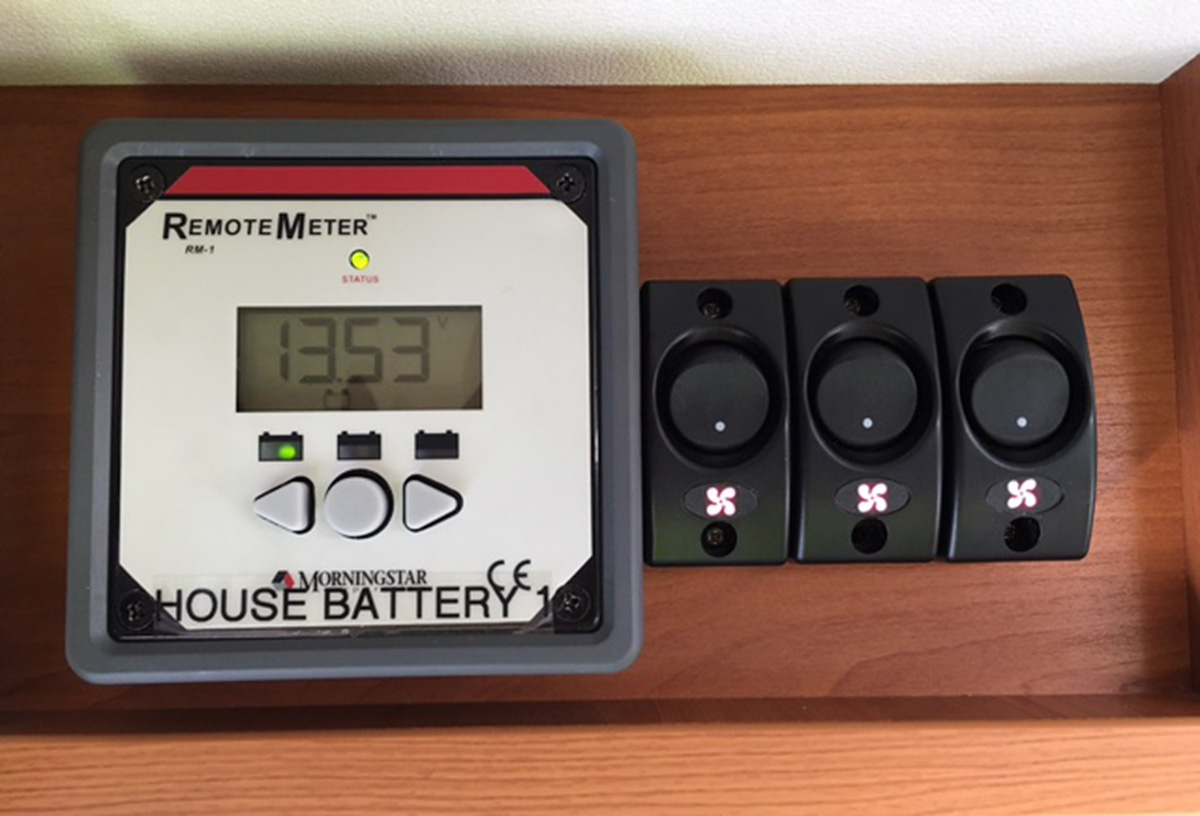
9www9). FAN SWITCHES: there is full control of all fans.

10www10). THERMOMETERS: Two type K thermometers are visible for convenient monitoring of temperatures.

The top thermometer: Its wire probe is placed under the 100 degree thermostat. When temperatures of 100 degrees are reached, the fridge fans have turned off. In essence the fans just tricks the fridge into cooling for longer periods.

If the fans were installed with no means of control the cooling cycle remains on too long, which under certain circumstances may cause overheating of the ammonia.

The bottom thermometer: This records temperatures of the rich ammonia solution eg the cooling process. It’s wire probe is attached to the liquid heat exchanger which is below the absorber tank.

The digital Manometer:
This shows the fridges correct burner pressure of 2.75kPa.
Note: If you increase this pressure you can expect your flame to produce more heat and higher temperatures throughout your cooling system.

11www11). TESTING: While comparing the fridges performance on LPG I noticed the ammonia temperatures were a lot higher than when testing on 230 volts. With concerns there maybe a overheating issue I wrote to Dometic NZ. Again, I was very pleased with there informative response.

A. Dometic AU.

While running on an element such as 12 volt DC or 240 volt AC the heat input is over a very precise area around about 85 mm in height this is shorter than the actual element as the filament in the body of the element is short than the over all of the element.

The electric elements are held against the pump tube using steel tubes welded to the side of the pump which directly conducts the heat energy into the side of the pump tube.

The gas flue is welded to the pump tube in the same area as the electric elements for about 90 mm so you end up with the 2 electric sleeves and the gas flue tube all welded to the pump for the same distance and in the same vertical location.

The difference is the electric elements only produce heat energy over a short distance you could say the full length of the welded sleeve about 90 mm, yet the gas flame running up the gas flue heats the full length of the gas flue. The part of the gas flue welded to the pump does all the work adding heat energy into the pump in the right place to separate ammonia from water.

The fact the gas flue runs up the pump tube means there is added heat energy leaking into the overall vertical height of the pump tube which does not happen when running on electricity.

The gas flue is located so it does not touch the pump tube above the weld but it is still very close and encased in insulation which holds in the extra energy.

The result is while running on gas you have a number of things happening which do not happen while running on electricity.

The steel pump tube on gas is hotter all the way to the top and conducts more heat all the way across the condenser.

There are also chemical reactions taking place inside the tube which raise the condenser surface temperatures due to the prolonged heat input over the full length of the pump.

With the added heat to the pump above the weld the pump tends to add more steam to the mix leaving the pump area so the ratio of ammonia vapour and water changes when compared to electric operation.

With more steam (Water) in the mix the condenser must work harder shedding more heat as it turns the steam into water which runs back to the pump.

Stating the above is true however added heat to the condenser without increasing the airflow to remove that heat will raise the surface temperature. This all designed into the unit and is expected.

Just because the temperature goes up in some areas when running on gas doesn’t mean the overall result is not the same as when on electric.

Higher surface temperatures through the condenser while running on gas is not unusual.
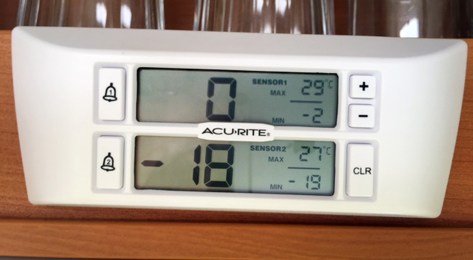
12www

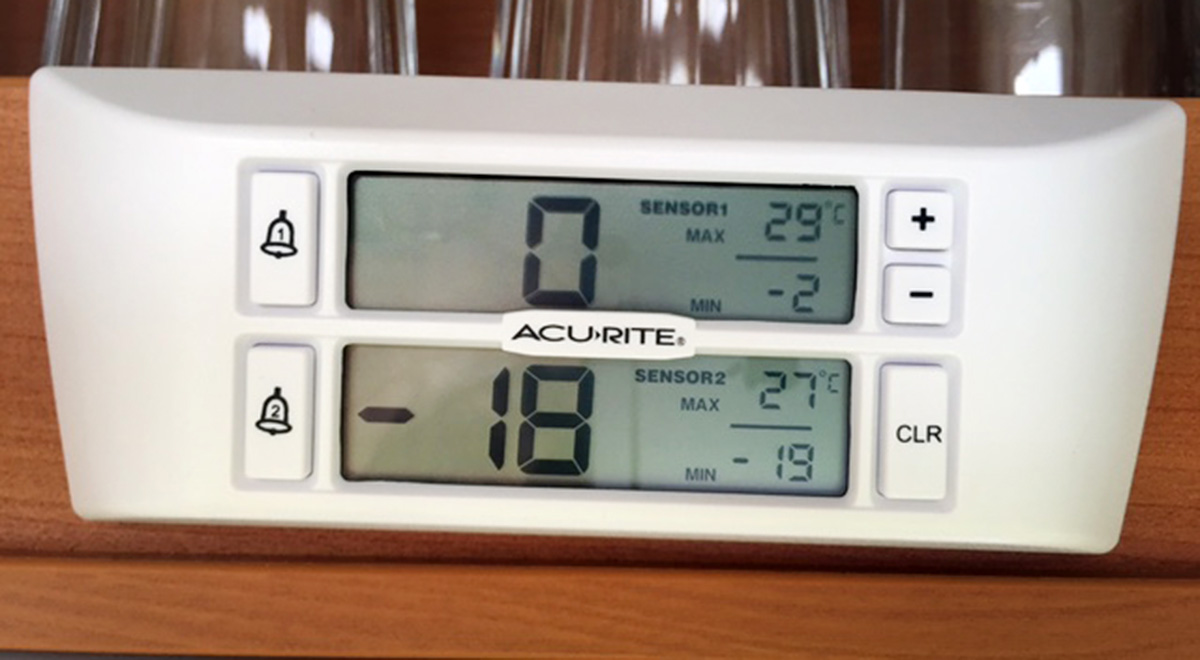
11). Wireless fridge/freezer thermometer:

The top thermometer is 1 degree out. The correct reading is fridge -1, freezer -19.

Mikes Fridge upgrade

A week or so ago, I published Robs Fan which showed how clever people can make their European (or any fridge) perform better by simply expelling warm air from behind or in Mike’s case, circulating cool air as well.
Both are novel ways of getting much better performance and both work briliiantly.

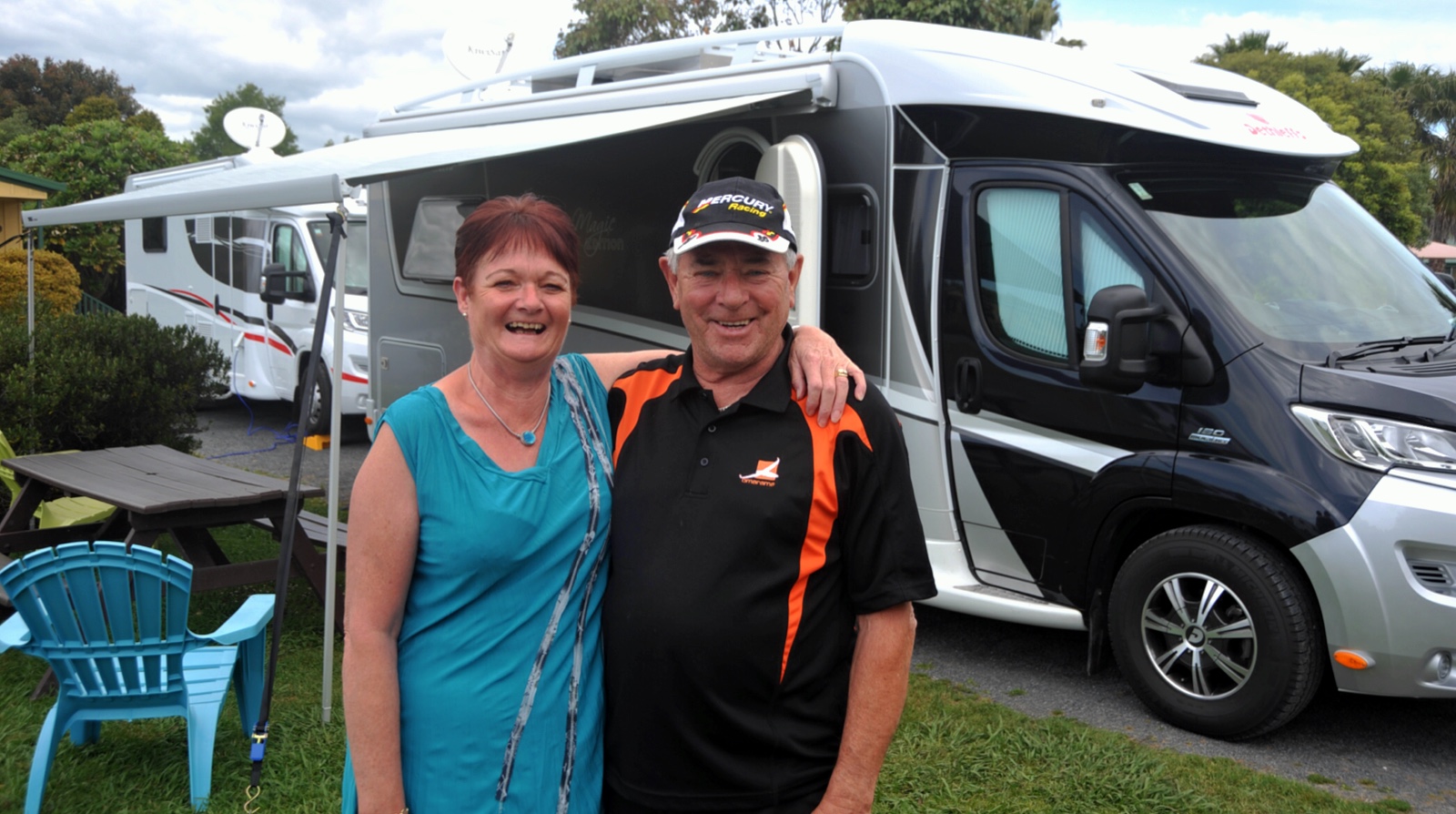
Mike and I were at school together a hundred or so years ago and where I went on to be a newspaper photographer, Mike became a very able Gasfitter and Plumber and clever with it.

Mike recently purchased a very nice  new A class Rapido from an elderly chap who imported it from Europe but due to a change in his circumstances, couldn’t keep it.

Fiona and I caught up with Mike and Wendy at Shakespeare Bay for a very nice lunch not long after they got their van. I published an article then and you can see that here.

The Rapido has a 90l Dometic fridge in it and since Mike picked it up has been very unimpressed with its performance and ability to keep things cold.  After reading Robs Fan, Mike decided to sort it once and for all.

Pix by Mike.  Click on them to see the detail in slideshow

Here is what he did in Mikes words.

Hi Chris

I've just finished installing three fans to to accommodate the cooling for a Dometic 8505 fridge freezer 90 l. All items were purchased from Jcar.

There are two 120 x 120 x 25mm fans fitted in the cooling tower.

The top fan is fitted 150mm below the cooling fins...connected via a 50degree temp thermostat. 
Duratech:   YX-2574
Air flow:      37 (CFM)
Current:      0.08A
Fan Speed: 1000 rpm
Noise:          20.2dBA

The bottom fan is fitted 100mm above the top of the bottom air vent...connected via a 70degree temp switch.
Duratech:    YX-2584
Air flow:       64.3 (CFM)
Current:       0.22A
Fan Speed:  1500 rpm
Noise:           25dBA

The fridge fan:
Duratech 90mm: YX-2572
Air flow:                 31.32 (CFM)
Current:                 0.13A
Fan Speed:            1500 rpm
Noise level:            20dBA

Each fan can be independently controlled by an on/off switch installed inside the motorhome.

The results:
Motorhome vents in full sun:
Ambient temp 27.1 degrees:
Fridge on setting three:
1) Even temperatures through out the fridge at 4degrees.
2) Freezer -10.7
3) On setting 5 the freezer got to -17degrees

Before I had a shit fridge...now I have a master piece.


Regards Mike.

Here is the link that Rob found with more technical stuff.


Robs Fan

Having spent the last few days with our friends Rob and Helen and their 11yr old daughter Chloe, Rob was keen to show us a modification he has made to his fridge to make it more efficient. Now Rob is a clever guy and is very familiar with things electrical so to see it working as well as it does is fantastic.

Rob with his fan
Rob with his fan

Robs fridge is an under the bench style Dometic 3 way fridge. They imported their AutoTrail themselves from the Uk a few years ago and of course it came with a “Northern Hemisphere” fridge. The difference between those and the “tropical” fridge is that the NZ fridges apparently are setup to be able to deal with hotter climates.
The work around for Uk fridges in NZ is to fit a 12v fan in the cavity behind the fridge with a thermostat to expel the air from behind the fridge, outside.

The thermostat
The thermostat

The 12v fans use next to no power and are really reliable.
Rob says it has made a massive difference to its performance and both he and Helen are really pleased with the way it performs.
There is a link to an Aussie web site which details the technical which Rob found that makes it relatively easy.  Here’s the technical link

The Beach

Uretiti Beach
Uretiti Beach

Uretiti has to be in one of the best locations for a camping ground. Right behind the sand dunes and onto a beach that runs from Waipu Cove in the South to Ruakaka in the north. It’s about 10 kms long!

The park itself is huge and you basically park where you want to. As it is all grass, it’s sometimes a little tricky getting level but there is plenty of room with Long drop toilets and cold shower stations dotted throughout the park. There are walks around the dunes for those looking for some exercise.

Don’t forget to click on the images to see the Hi Res version

For the benefit of those offshore. Uretiti with the beach on the right and the main highway on the left. South of Whangarei

We parked on the beach side next to a track through the sand dunes to the beach.

We’d spent a great day brunching and riding around Whangarei Town centre which was fun so when we got to Uretiti, we were ready to blob out. On arrival, Fiona discovered that we had run out of tea😕 so in the morning we were off for a shopping trip to Waipu, then back to Uretiti to enjoy the sun. We parked on a knoll parallel to the beach and had a bit of a view of the dunes.

The awning out with our new mat down
The awning out with our new mat down on the knoll.

It was time for a swim. Even though it was a hot day, I’d have to say it was “refreshing”! I wasn’t in for long but it’s always nice to be able to tick off that first swim.

Fiona on Uretiti beach

After a couple of hours on the beach, it was time to watch more Motorhomes and caravanners roll in for parks. Even when Uretiti is busy there are always plenty of gaps. It is huge!

The clothesline in action

With the sun coming down, out came the awning and down went the new mat under the awning for the first time and it was great to put the bike clothesline into service too.

With the phone ringing with work coming in, we knew we had to head back to Milford the next morning.

Our first night at Uretiti showing how much room there is

Uretiti is a magic spot. It’s even better when you have a NZMCA/DOC pass and we’ll be back.

The Anxious Fridge

Every now and then a good product can fail which can be simply bad luck. We get it repaired and life goes on. When things like a fridge fails to work or fails to be useable, there are consequences like food going off or a cancelled trip. When there is a failure due to a silly design fault which lead to these consequences, there is plenty of room for an end user to be a bit miffed.

Rafe at Uretiti Doc park this weekend

About a year ago, I was chatting to a neighbour at Uretiti DOC campground in Waipu. He had a New Euro Motorhome with the same fridge as ours and was showing me how his door lock mechanism had failed so he couldn’t open his fridge door. He ended up taking out the decorative panelling off the front so he could get to a shaft to open his door with a pair of pliers! The shaft had failed when two bits of coat hanger like wire, end on end had slipped past each other rendering the door mechanism useless. There was no proper joining shroud to keep the two bits of wire lined up. He’d gone to some trouble to show me how to get at this shaft and seemed fairly convinced, I was going to be next. This thankfully, hasn’t happened yet but I was very appreciative for the efforts he went to so I knew how to deal with it. My memory from this was how Micky Mouse, the whole setup was for a supposedly quality fridge that was more expensive than my fridge at home.

Friday night was looking good to get away up north for a few days. We’d both just finished work and decided to stop at the Silverdale Roadside Cafe and BP station for some diesel and food.
We’d just got going when the fridge starting beeping with a light flashing as well. It beeped for 30 seconds every 2.5 minutes. It was driving us nuts and we knew we’d never be able to sleep with it like this. At the truck stop, we turned off the fridge while we had tea and got some fuel as it seemed to keeping stuff cold, just making a racket!
After tea, reading through the “book” gave error messages for things like no gas, no power and talked about other buttons beeping with the alarm but nothing for this error. It did talk about having a “door open” alarm and the “light on in the fridge” alarm. That’s what it had to be as the fridge was still working perfectly.
In the meantime, we had a fridge full of food and didn’t know how to fix it.

Our fridge. If you have a fridge like this and it beeps at you, you'll know how to deal with it!
Our fridge. If you have a fridge like this and it beeps at you, you’ll know how to deal with it!

We decided we’d go home, rescue the food and try again Saturday morning if we could find a fix.
Isn’t Google great for this… “Why is my fridge beeping” gave me a list of answers from several caravan sites and they all mentioned two fridges, ours being one of them. The fridge, can’t remember the model number now but it’s definitely the same as our one and they’re in all the newer bigger motorhomes and caravans.

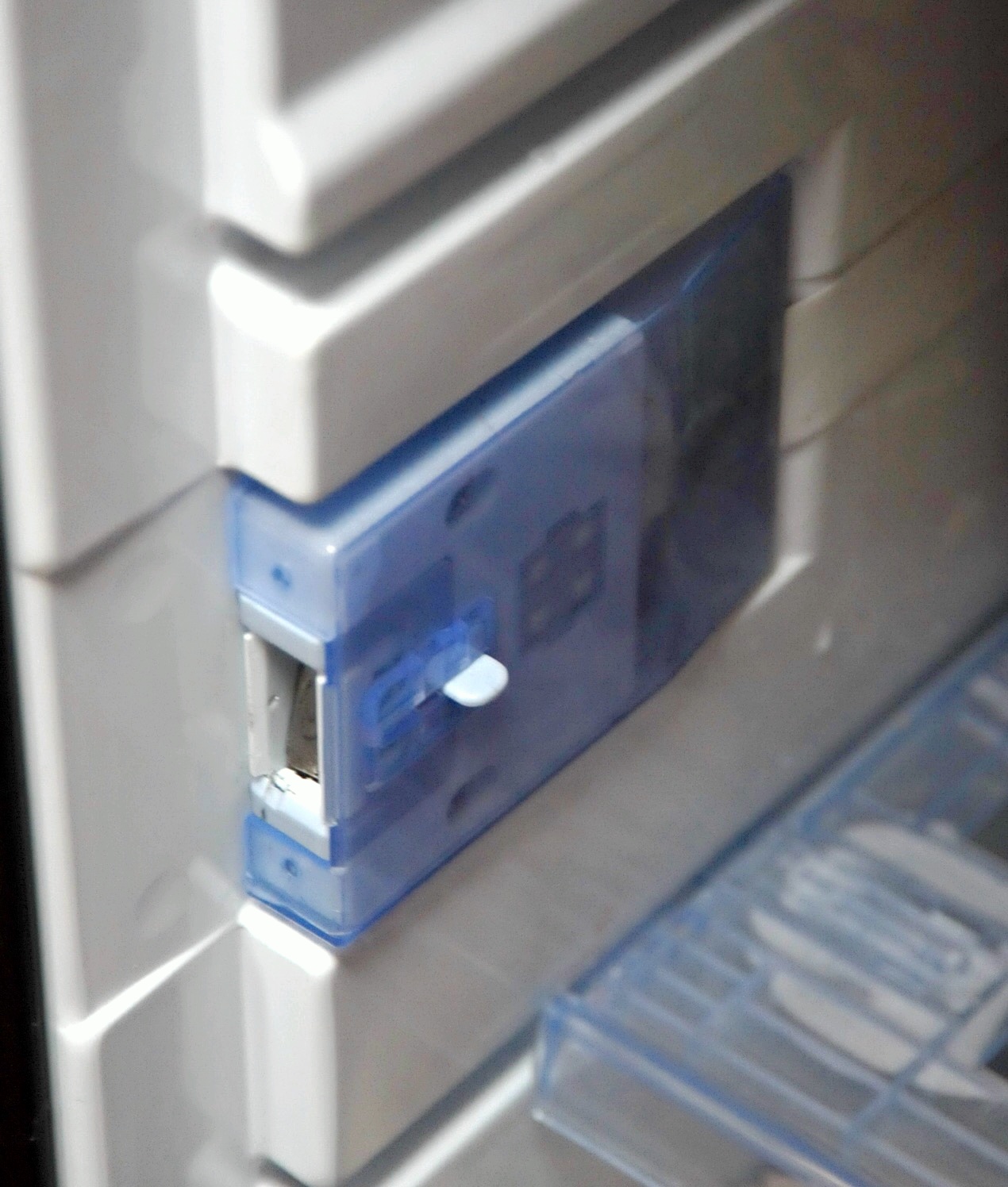
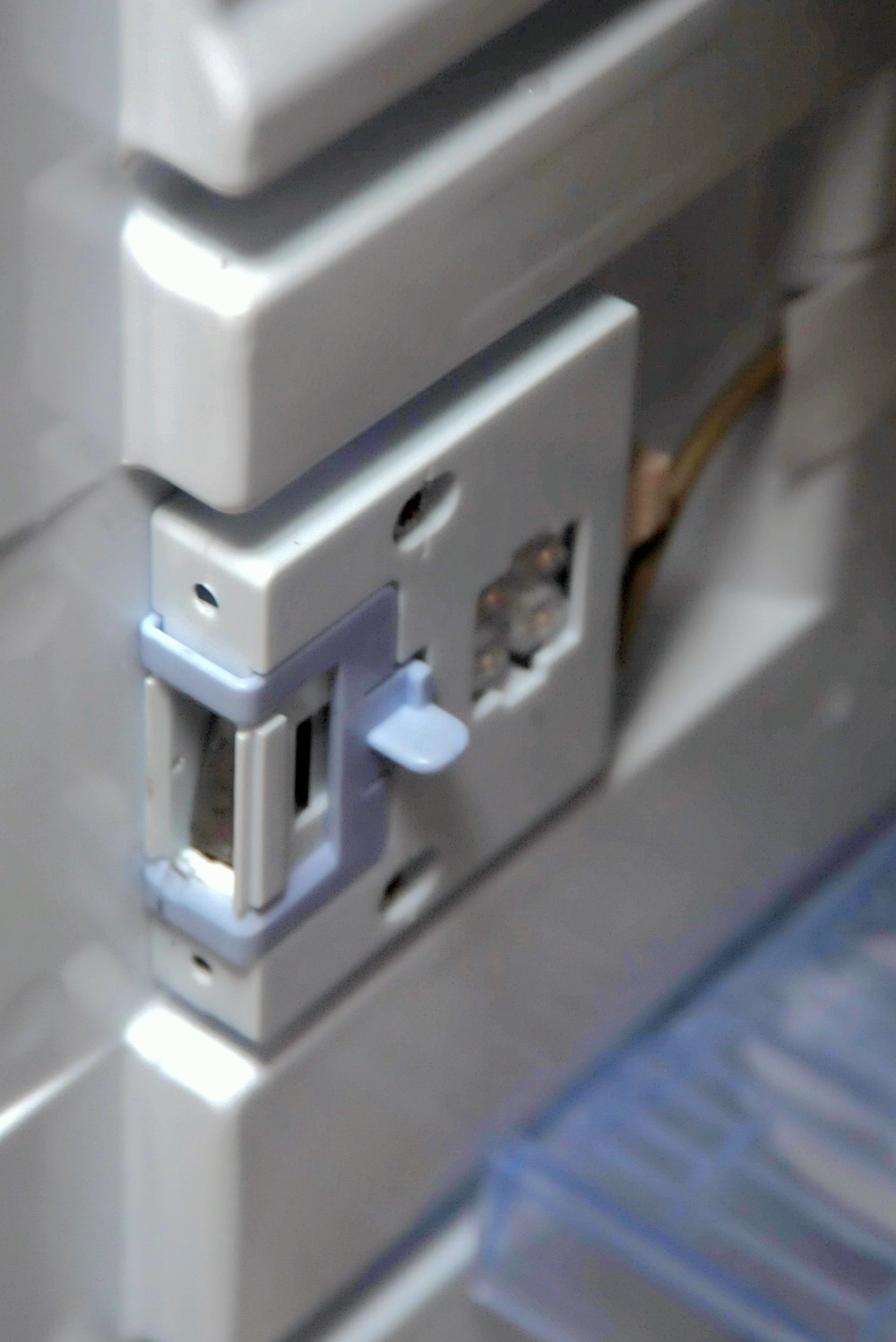
Well, the nitty gritty of it is, they have a bad built in design fault or as some call this “an undocumented feature”! The led light is part of a printed circuit board inside the door catch assembly with an edge connector poking out the back into the fridge space.
Who is the fruit loop who thought putting an unprotected printed circuit board in a fridge was a good idea? Why not give it sealed plastic cover and some heat shrink and make it reliable?

The door catch with the cover on
Door catch with cover off with the cover on the shelf.

I could see by putting my finger in the door switch that the interior led light went off but still had a faint glow so the door switch must be short circuiting by moisture. This was mentioned on various sites as well.

The fridge catch with the cover off. Note the unprotected wires at the back

The recommended fixes from the Internet: pull the door catch cover off, wipe the plug surfaces dry and reconnect, reset fridge.. This didn’t work. Next step, disassemble again and disable the light by pulling the plug off. Yippee, success, but no light but at least the bloody fridge was quiet, works efficiently and we could sleep without the damn thing beeping all night!

So we shifted all the frozen and perishable foods, cheese and wine etc back into Rafe and we finally got away at 10am. It seems I’ll have to get a new door micro switch.

The coffee cup holder

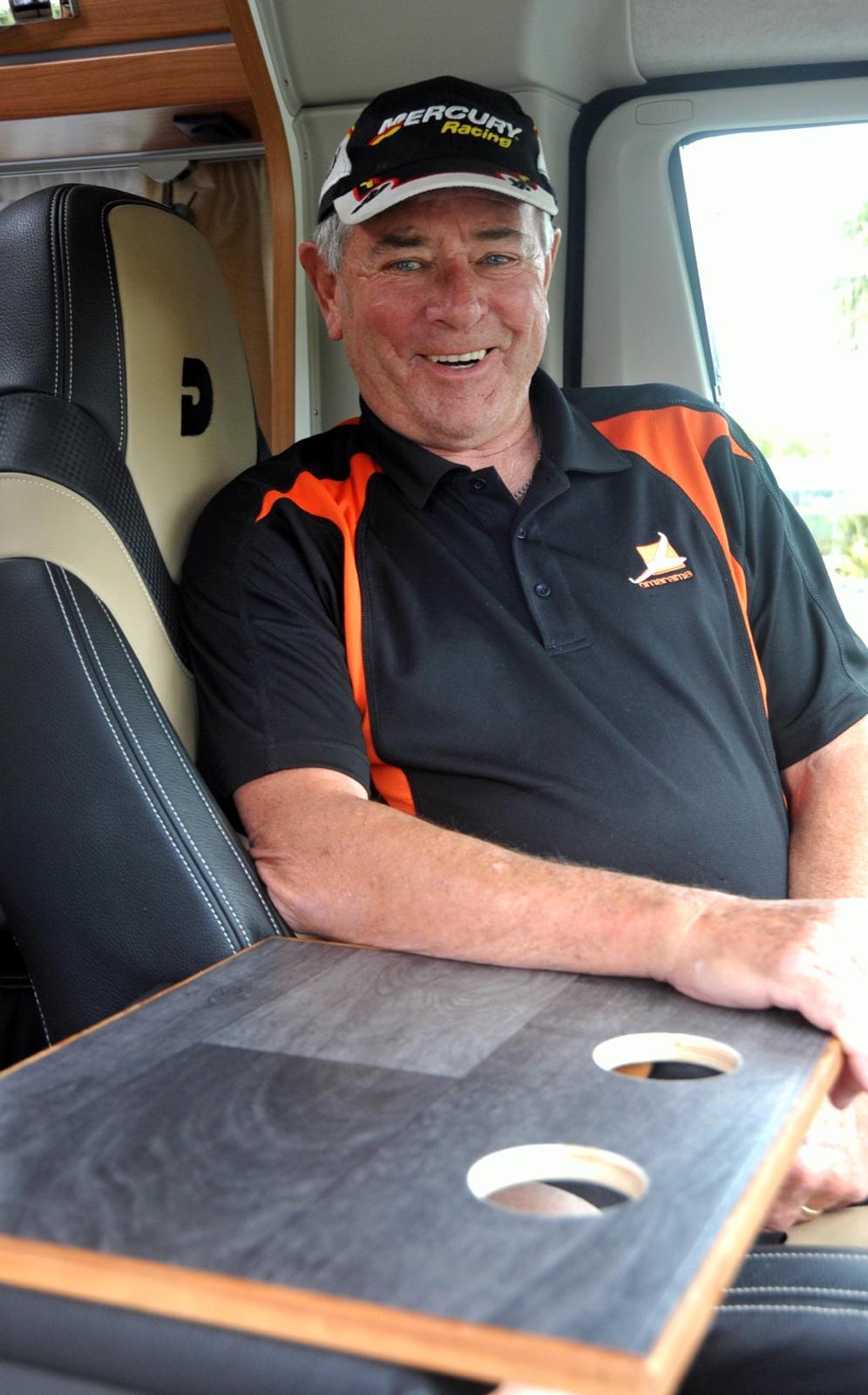
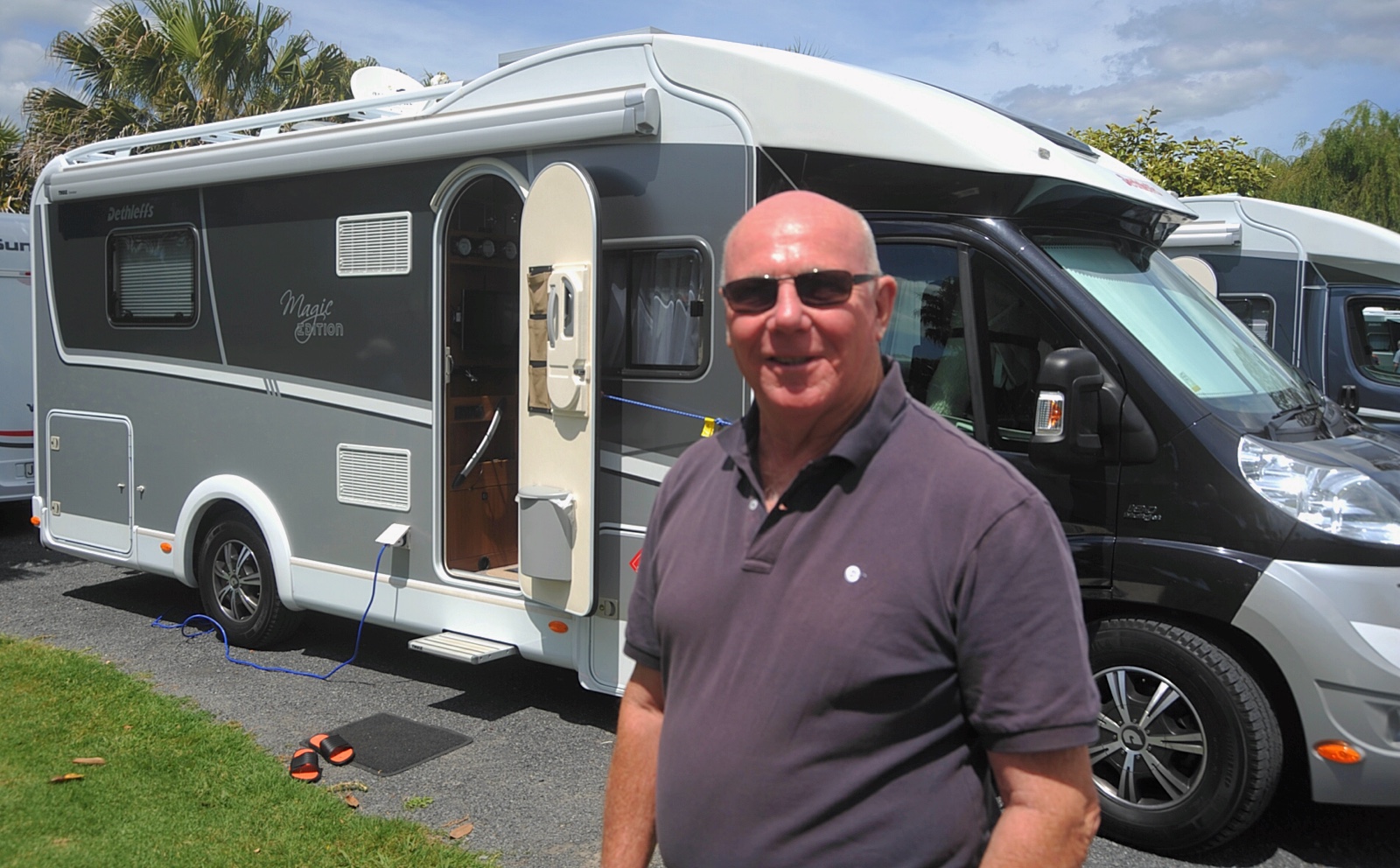
This was Pete’s first rally with his new Dethleffs Black Magic so it was great to see the Kiwi ingenuity being applied to his van.

There is a notable absence of anywhere in the Ducato cab for holding coffee. Pete decided this had to change and came up with a nice  tray with  locking blocks underneath the hold it between the two front seats on the seat arms.

Pete with his coffee cup holder

Clever use of dead space and with the use of matching vinyl from the floor and a nice wooden surround, it really looks the part.

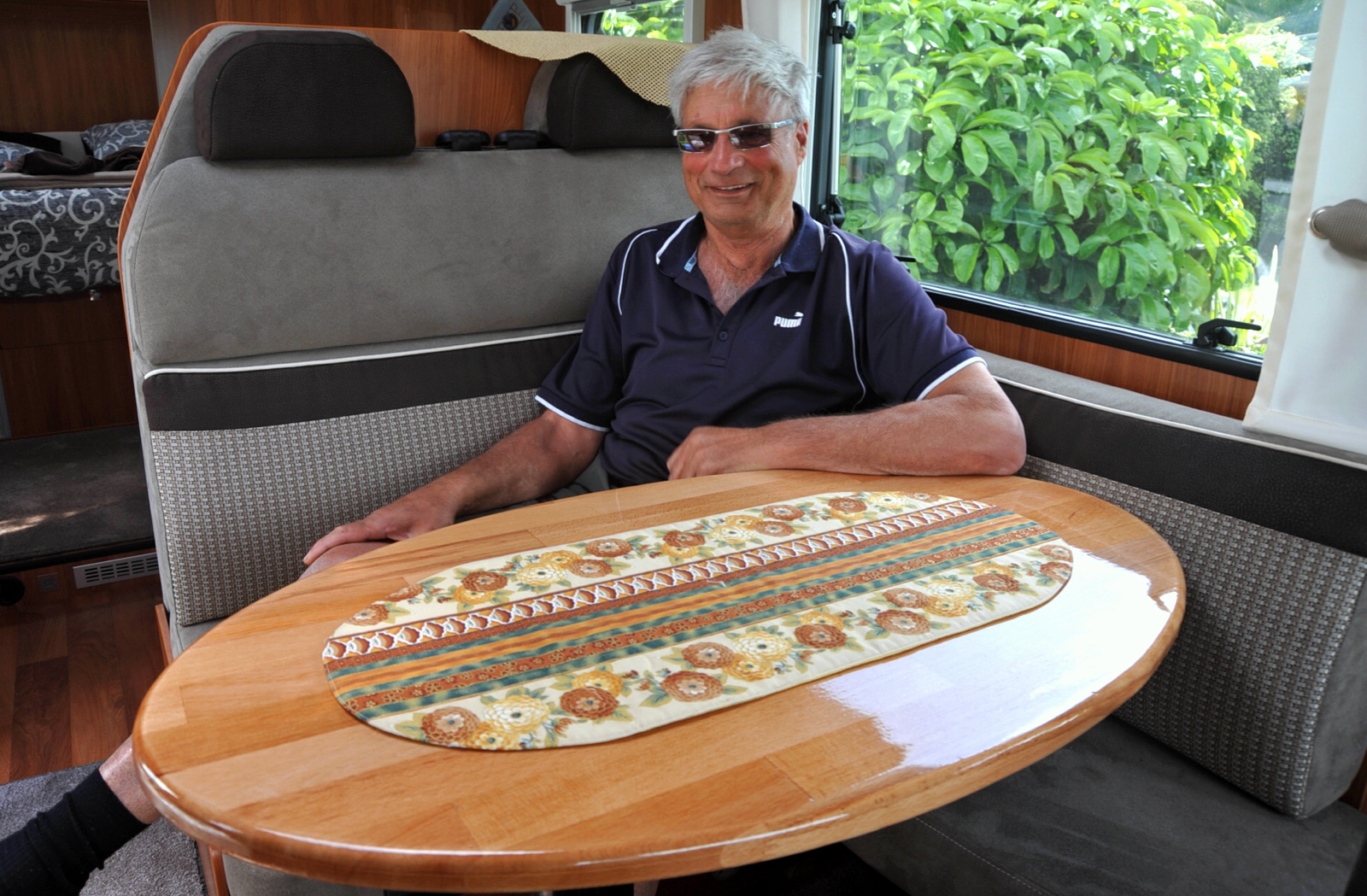
The Wooden Table

This is Richards second year at a Dethleffs owners rally so it was nice to catch up again.  Being the clever chap that he is, he  significantly upgraded his dining area with a  new table. Looking at the photo again, it looks like it might be Kauri. Very Nicely done!

Richard with his new table

A thing of beauty.

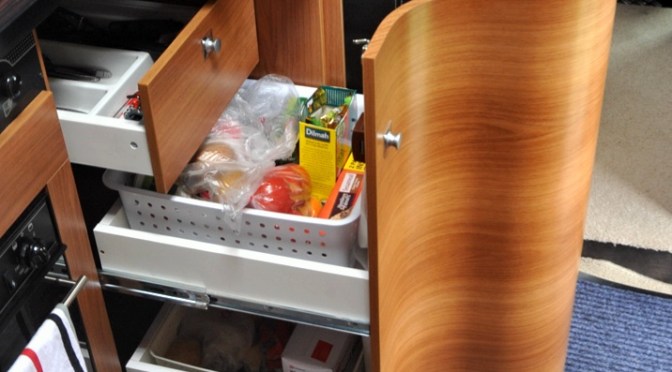
The slide out cupboard

John with this Black Magic

The nice thing about a get together like the Dethleffs Owners meetings is to catch up with other owners like John with his Dethleffs Black Magic, and see the modifications and improvements they have made to their Motorhomes.

Johns Slide out masterpiece.

One of the wee gems that I really liked was John’s change to his curved galley cupboard which was hinged with shelves, into a full slide out cupboard. It completely changes the the availability of the shelves behind and allows you to make better use of the shelf space.

Wifi for Motorhomes

On friday afternoon, I left the NZMCA park at Ardmore and headed to my son and daughter in laws driveway in Ardmore where I was later joined by Fiona after she had finished work.

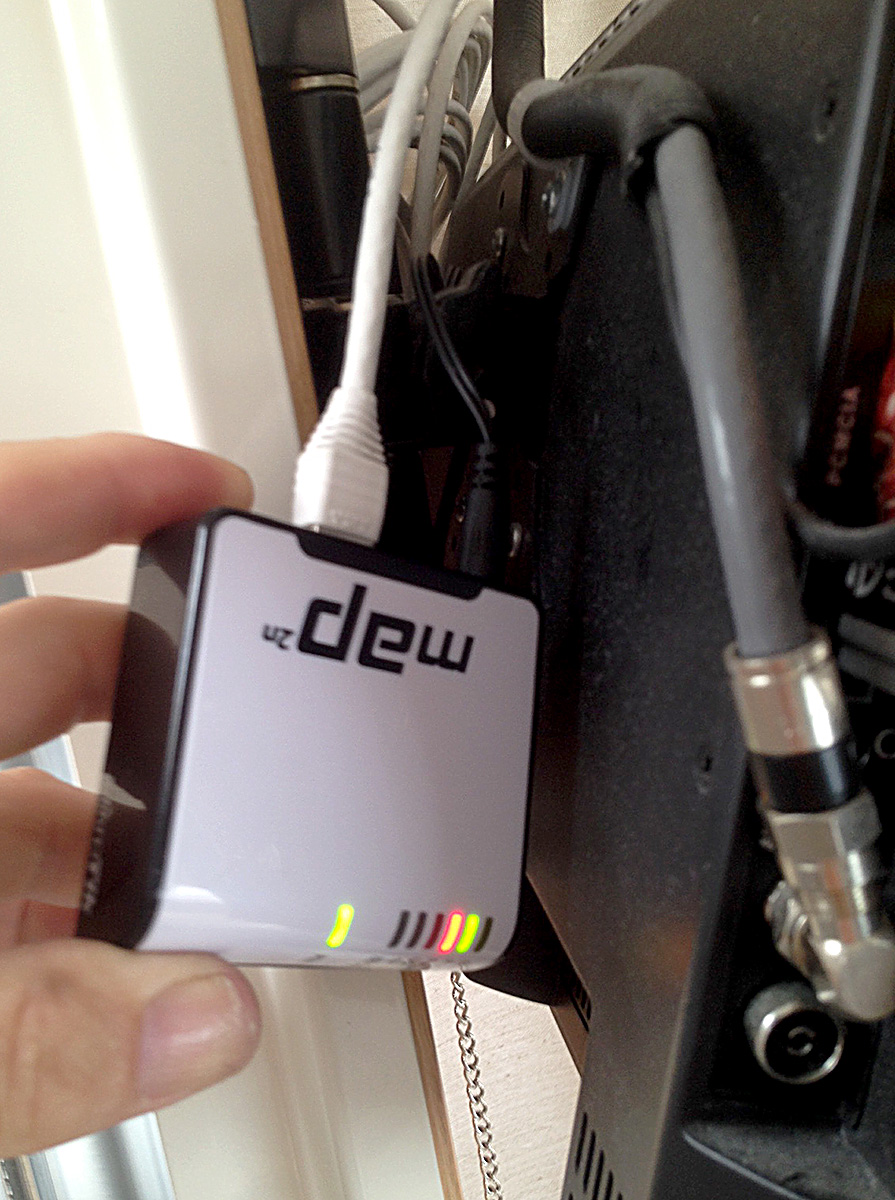
My son Alex is a Systems Engineer and has been working on a solution for Wifi in our motorhome for some time. He was given an directional Antenna which has a range of up to 5k and for being top in his course, he was given a tiny Router which will work on 12v and also has enough grunt to drive the Antenna. … and he was happy to donate it to my Wifi cause.. thanks Alex 🙂

The wee Router up behind the TV

I didn’t realise how much setup was involved but after a lot of configuration changes, he managed to get it working in the van with huge throughput from an Access point in his shed, some distance away.

The current directional Antenna
The Antenna pointing at the shed. Its further away than it looks here.

While there is some fine tuning to be done, the concept works. I think his plan is to change the Antenna to one that’s easier to setup and get working when its permanently mounted on the roof. While we’re testing it, we had the router on our bed with a network cable out of our window with the antenna bolted to the bike rack.

I have an account with Spark and have the free gig a day thing happening from the phone boxes but they’re always positioned where you can’t park an 8m motorhome anywhere near them, and the signal they send means you’ve virtually got to sit on top of them to be any use.

Ultimately, it’ll mean that our iphones, ipads, laptops etc will log in to the wee router permanently in the van and the router with the Antenna will drag in the signal from  wherever.

This system will hopefully mean that I can be a block or so away and still get a Spark signal or any other free wifi available 🙂

Our last night at the NZMCA park on Sunday night

Exciting times.